Everything About Meat Markets: Comprehending Their Function in Sustaining Local Farmers
Meat markets serve a crucial feature in local economic climates by connecting the gap in between farmers and customers. They use a direct sales channel that enhances the freshness and quality of meat products. Past convenience, these markets play a substantial duty in promoting lasting farming and supporting the source of incomes of local farmers. Nevertheless, the ramifications of this relationship expand better than one might anticipate, increasing concerns concerning sourcing methods and customer choices.
The Significance of Meat Markets in Neighborhood Economic Climates
Although frequently overlooked, meat markets play an important role in reinforcing neighborhood economic situations by sustaining farmers and producing jobs. These establishments work as important middlemans, supplying a system for local producers to offer their items straight to customers. By purchasing locally sourced meat, customers add to the sustainability of close-by farms, guaranteeing their feasibility and promoting agricultural diversity.
Furthermore, meat markets develop employment possibility, ranging from butchers and sales personnel to monitoring and logistics roles. This work production stimulates the local economy, promoting a sense of community as locals involve with their area organizations.
On top of that, meat markets usually bring in clients who look for high-grade, fresh items, which can lead to enhanced foot traffic and sales for surrounding businesses. On the whole, the visibility of meat markets can substantially boost neighborhood financial wellness, fortifying connections between agriculture and area wellness while sustaining the livelihoods of farmers.

Connecting Customers and farmers: Just how Meat Markets Operate
Meat markets work as necessary centers that connect regional farmers directly with consumers, promoting a structured supply chain that benefits both celebrations. By sourcing products from nearby ranches, these markets guarantee that customers receive fresh, premium meat while supporting local agriculture. The operation of meat markets involves establishing connections with farmers, typically allowing them to showcase their items and share their farming practices.
Consequently, consumers get to a varied option of meats that reflect local flavors and preferences. Transparency is an essential facet of these markets, as consumers are typically supplied with information concerning the sourcing and handling of the meat. This straight connection promotes trust and commitment in between farmers and consumers, boosting area connections. Additionally, meat markets regularly engage in advertising activities, such as farm-to-table occasions, which better enhance the customer's experience and awareness of regional farming methods.
Promoting Lasting Agriculture Practices
Promoting lasting agriculture practices is essential for the future of food production and ecological wellness. By concentrating on honest farming strategies, encouraging biodiversity, and advocating for seasonal and neighborhood sourcing, the farming industry can greatly decrease its ecological impact. These techniques not just support the ecosystem however likewise cultivate a healthier connection in between customers and farmers.
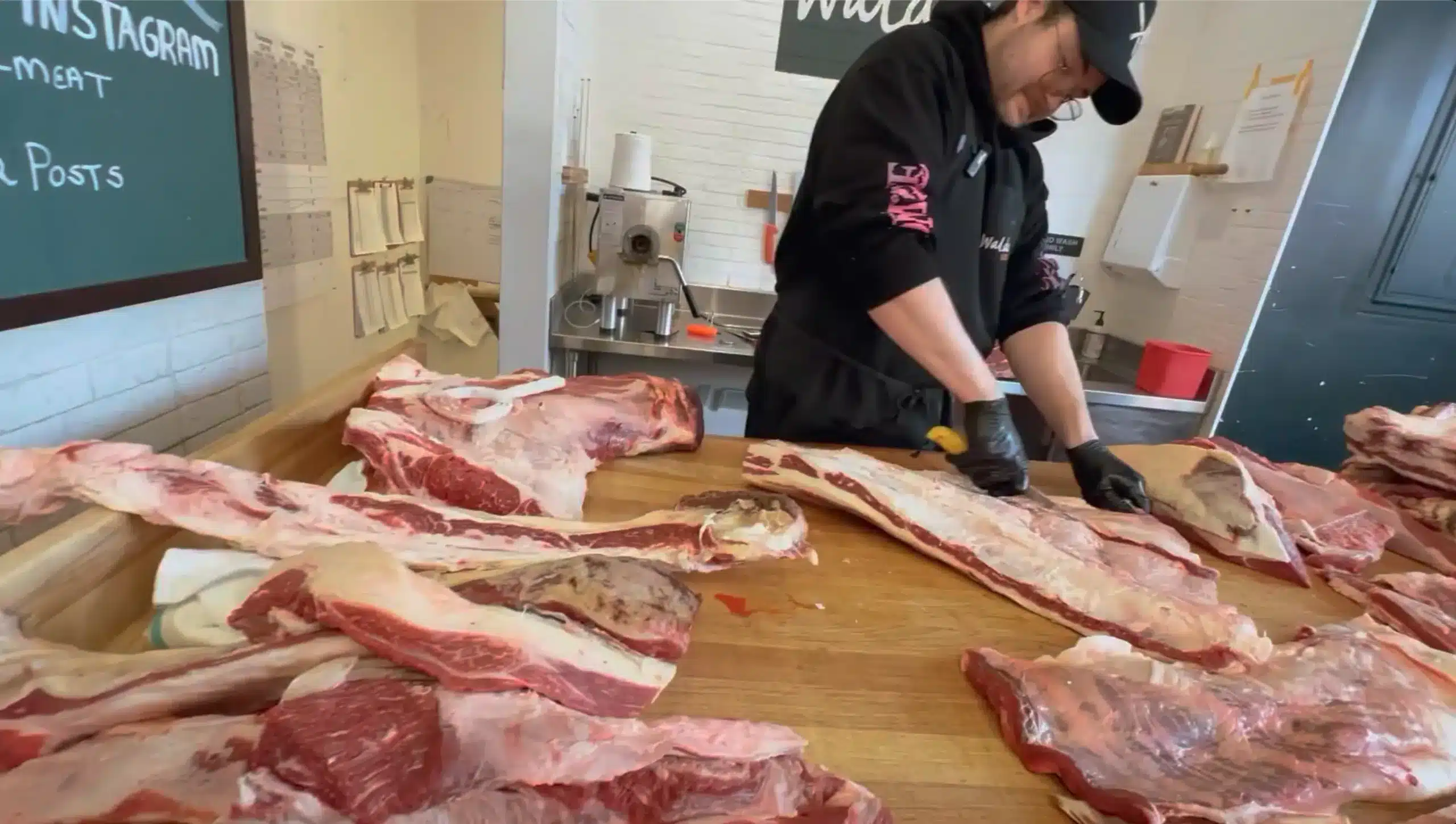
Honest Farming Techniques
A growing number of farmers are adopting moral farming methods to enhance sustainability and lower environmental impact. These approaches concentrate on liable land monitoring, lessening the usage of chemical plant foods and chemicals, and accepting organic methods. Methods such as crop rotation, cover chopping, and agroforestry not only improve soil health but likewise promote biodiversity. Furthermore, farmers are increasingly prioritizing animal well-being by giving pasture-based systems and minimizing confinement methods. By focusing on neighborhood resources and community involvement, moral farming cultivates a resilient farming system. This change not only benefits the environment however additionally enhances the connection in between farmers and consumers, encouraging educated getting decisions that sustain sustainable practices. Ultimately, these strategies offer to develop a more lasting future for farming.

Biodiversity and Ecosystem Wellness
While numerous agricultural techniques have traditionally focused on yield over ecological balance, a growing recognition of biodiversity's value has actually emerged among consumers and farmers alike. Biodiversity boosts environment strength, supporting soil health, bug control, and pollination. By incorporating varied plants and livestock, farmers can produce more steady environments that reduce dependence on chemical inputs and boost overall performance. Sustainable farming practices that promote biodiversity not just safeguard all-natural environments yet additionally contribute to the long-term viability of farming. Meat markets play a vital duty in this standard shift by advocating for neighborhood products that prioritize eco-friendly health and wellness. By selecting to source from farms that welcome biodiversity, customers can sustain practices that ensure a sustainable future for farming and the atmosphere.
Local and seasonal Sourcing
Local and seasonal sourcing not only boosts the quality of food but likewise supports lasting agriculture techniques that profit both customers and farmers. By prioritizing local meat markets, consumers can attach directly with farmers, fostering a feeling of area and trust fund. This design decreases the carbon impact related to long-distance transportation, advertising ecological sustainability. Farmers benefit from even more stable revenues and a reputable market for their items, which urges responsible farming practices. Additionally, seasonal sourcing motivates diverse farming methods, allowing farmers to revolve plants and animals, consequently keeping soil health and biodiversity. In general, this technique produces a more resistant food system that straightens with the values of area, quality, and sustainability assistance, reinforcing the essential web link between consumers and neighborhood agricultural systems.
The Function of Transparency in Sourcing Meat
What variables contribute to consumer rely on meat items? Openness in sourcing is an important aspect. Consumers increasingly look for information concerning where their meat comes from, including the practices and ranches associated with elevating the pets. Meat markets that focus on transparency frequently display clear labeling, detailing the resource and production approaches made use of. This visibility cultivates confidence and permits consumers to make educated options.
In addition, transparent methods can include farm check outs, collaborations with regional farmers, and sharing tales regarding the animals and their settings. As consumers come to be much more educated about food sourcing, they tend to choose meat products from providers who are upcoming with information. This demand for transparency not only strengthens customer trust however also motivates meat markets to develop honest relationships with local farmers. Eventually, transparency sustains a cycle of accountability, benefiting both consumers and producers in the meat market.
Sustaining Pet Well-being Via Resident Sourcing
Sustaining animal well-being with local sourcing rest on the adoption of ethical farming techniques. By focusing on openness in sourcing, customers can make enlightened selections that reflect their values. Additionally, community engagement efforts promote a more powerful connection in between consumers and farmers, boosting the total commitment to humane treatment of pets.
Honest Farming Practices
While consumers increasingly prioritize honest factors to consider in their food selections, regional sourcing supplies a sensible path to sustaining animal welfare. Ethical farming techniques emphasize gentle treatment of animals, guaranteeing they have adequate area, correct nourishment, and access to exterior environments. Local ranches commonly stick to these requirements, as they are much more liable to their customers and communities. By choosing to resource meat locally, customers can sustain farms that prioritize lasting and humane methods over industrialized techniques, which usually compromise pet wellness. This connection promotes a deeper understanding of food production and encourages accountable usage. Ultimately, neighborhood sourcing encourages consumers to make educated options that straighten with their values relating to moral therapy of pets in the food industry.
Openness in Sourcing
Exactly how can openness in sourcing enhance customer rely on neighborhood meat markets? By providing clear details about the origins of their products, neighborhood meat markets promote a feeling of responsibility and integrity. When customers understand the sourcing techniques, including the treatment of animals and farming techniques, they are more probable to really feel positive in their purchasing decisions. This transparency allows consumers to align their worths with business they sustain, recognizing they are contributing to ethical animal well-being and lasting practices. In addition, regional meat markets can display collaborations with close-by farms, highlighting area support and reinforcing a positive relationship between consumers and producers. Inevitably, transparency in sourcing not only constructs trust however likewise urges educated options among customers.
Community Interaction Initiatives
What role do community involvement campaigns play in advertising pet well-being through local sourcing? These campaigns markedly enhance awareness and understanding of ethical farming methods among customers. By cultivating links between neighborhood farmers and neighborhood participants, meat markets can emphasize the relevance of humane therapy of animals. Educational workshops and farm tours permit customers to witness firsthand the conditions under which pets are raised, reinforcing the worth of regional sourcing. Furthermore, community occasions, such as farm-to-table suppers, highlight the connection between animal well-being and sustainable practices. Via these engagements, consumers develop count on neighborhood meat markets, urging them to sustain ethical cultivating a culture and sourcing of liable usage halal food shop that prioritizes pet well-being in the neighborhood.
Health Benefits of Picking Resident Meat Products
Choosing regional meat products provides countless health and wellness benefits that can considerably improve total well-being (meat stores near me). One considerable advantage is the minimized time between farm and table, which often leads to fresher meat with greater dietary value. Local meats often tend to be without damaging chemicals and ingredients typically found in factory-farmed alternatives, contributing to a cleaner diet regimen
In addition, neighborhood farmers typically focus on humane and sustainable techniques, resulting in much healthier animals that generate better-quality meat. Grass-fed and pasture-raised pets, frequently located in regional markets, normally have greater degrees of omega-3 fatty acids and reduced degrees of saturated fats compared to their barnyard counterparts.
Sustaining regional meat products fosters neighborhood health and wellness by ensuring that consumers have accessibility to safe and responsibly sourced food. By choosing neighborhood, individuals not only nurture themselves yet likewise add to the health of their area and environment.
Making Informed Options at the Meat Market
When passing through a meat market, recognizing the vital elements that influence quality and sourcing can empower consumers to make enlightened options. Buyers must focus on regional products, which typically originate from ranches with lasting methods. Acknowledging labels such as "grass-fed" or "organic" can also lead choices, as these typically show greater try this well-being standards and dietary advantages.
Engaging with the butcher is important; well-informed team can offer insights right into the sourcing of their meats and suggest cuts that suit numerous cooking techniques. Consumers are urged to make inquiries regarding the farm's practices, including pet treatment and feed.
Additionally, analyzing the meat's color and structure can expose freshness and top quality. Lean cuts ought to show up wet and bright, while fatty cuts should have a marbled appearance. By integrating these practices, consumers can confidently choose meats that straighten with their worths and support neighborhood agriculture.
Frequently Asked Questions
What Kinds of Meat Are Many Typically Cost Local Meat Markets?
Regional meat markets generally use a range of meats, including beef, lamb, pork, and chicken. These facilities commonly feature specialty cuts, sausages, and in your area sourced items, dealing with diverse culinary preferences and customer needs.
Just How Can I Find a Meat Market Near My Location?
To discover a meat market close by, one can use on-line maps, online search engine, or neighborhood directories - meat stores near me. In addition, asking neighbors or buddies for referrals frequently generates valuable understandings into the very best regional options available
Are There Seasonal Variations in Meat Schedule at Meat Markets?
Seasonal variations in meat accessibility at meat markets usually happen, influenced by aspects such as neighborhood farming techniques, pet breeding cycles, and seasonal need. This can influence the kinds and quantities of meat provided throughout the year.
Do Meat Markets Offer Special Promotions or Discounts for Mass Purchases?
Meat markets usually supply special promotions and price cuts for bulk acquisitions. This technique motivates clients to get larger quantities while making it possible for the markets to take care of supply efficiently, benefiting both consumers and business economically.
Can I Request Specific Cuts of Meat at the Market?
Yes, consumers can usually ask for certain cuts of meat at the marketplace. Many butchers agree to fit unique orders, making certain that clients obtain the exact cuts they prefer, tailored to their preferences.
By sourcing items from nearby farms, these markets assure that customers obtain fresh, high-quality meat while supporting his comment is here local agriculture. By prioritizing local meat markets, customers can link directly with farmers, promoting a sense of area and trust fund. Just how can openness in sourcing enhance consumer depend on in neighborhood meat markets? Local meat markets generally offer a range of meats, consisting of beef, pork, lamb, and hen. Seasonal variants in meat accessibility at meat markets commonly take place, influenced by elements such as neighborhood farming techniques, pet breeding cycles, and seasonal demand.